 Illustration
Protecting hibernating bats in St. Lawrence County: what to know
New York residents, including those in St. Lawrence County, can help protect hibernating bats by avoiding restricted caves and mines, limiting tree removal during the winter, and using trained wildlife professionals for bats in homes.
New York residents can help protect hibernating bats this fall and winter by staying out of posted or restricted caves and mines, avoiding disturbances, and getting professional help with bats inside homes. The New York State Department of Environmental Conservation says six of the state's nine bat species hibernate in caves and mines, while three tree bat species migrate to warmer areas.
Why should people avoid caves and mines in winter?
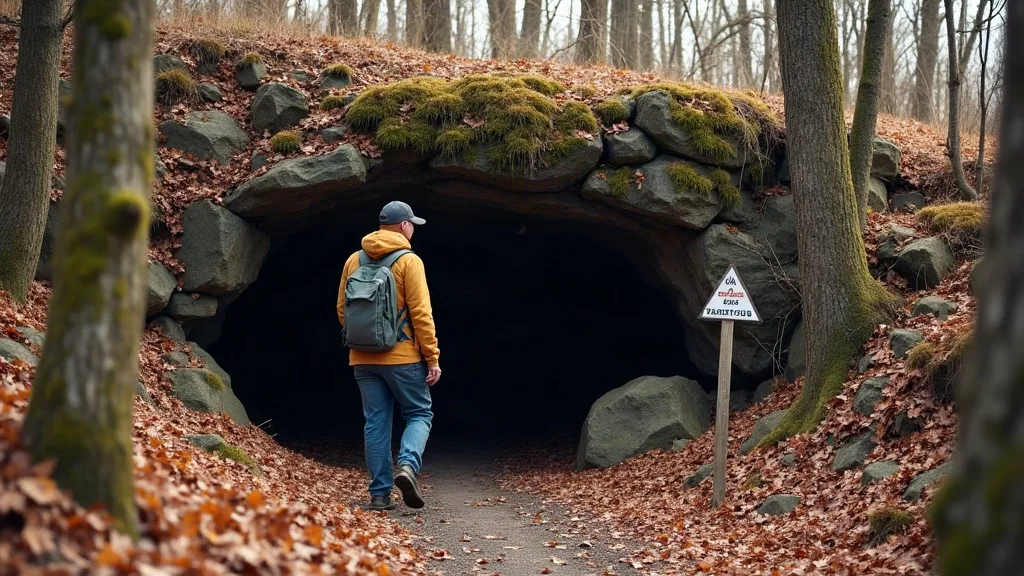
People should avoid posted or restricted caves and mines because disturbing hibernating bats can force them to wake and use fat reserves needed to survive until spring. DEC says people who find hibernating bats should leave quickly and quietly.
The typical hibernation period runs from Oct. 1 through April 30. Entering designated bat hibernation sites during that period may result in prosecution, and DEC advises visitors to follow all posted restrictions.
Why do bats matter in New York?
Bats help control insects because all nine bat species found in New York eat insects. Their diets include mosquitoes, agricultural pests and invasive insects, which can reduce the need for pesticides.
The need for protection is especially significant because white-nose syndrome arrived in New York in 2006 and has killed more than 90% of bats at the state's hibernation sites, according to DEC. Little brown bats have shown signs of recovery, but similar stabilization has not been observed in other species severely affected by the disease.
White-nose syndrome does not affect people, according to Cornell's wildlife health information. The disease remains a serious threat to bat populations during the period when many bats are concentrated in winter roosts.
What should North Country residents know about bat protection?
Residents in St. Lawrence County and elsewhere in Northern New York should follow signs and restrictions at caves, mines and other designated hibernation sites. DEC Region 6 covers Jefferson, Lewis and St. Lawrence counties.
DEC recommends limiting tree removal outside Suffolk County to the period from Nov. 1 through March 31. This is voluntary guidance rather than a general ban. The timing helps reduce the risk of disturbing bats that may use trees before migrating or entering winter habitat.
Residents can also plant pollinator gardens, install bat boxes and keep cats indoors. These steps support insect populations and reduce risks to bats around homes and other developed areas.
What should I do if bats are in my home?
People who need to remove bats from a home should contact a bat-certified nuisance wildlife control operator or a DEC Wildlife Office. Professional assistance is important because some bats are protected and need to be identified before removal.
DEC provides information about legally removing or taking wildlife and directs residents to trained help for nuisance wildlife situations. Residents should avoid handling bats or attempting removal without appropriate guidance.
When should I contact a local DEC office?
Northern New York residents can contact DEC's Region 6 wildlife office at 315-785-2263 for wildlife questions. DEC's main Region 6 line is 315-785-2239.
DEC's Potsdam office can be reached at 315-265-3090 and is listed for the Upper and Lower Lakes Wildlife Management Area in the Town of Canton. DEC's Region 6 office in Watertown is at 317 Washington St.
More information is available from the DEC Bat Week announcement, the agency's white-nose syndrome information and its guidance on legally removing or taking wildlife.
Common questions
- Can I enter a cave or mine during winter?
- Only if it is not posted or otherwise restricted. DEC says entering designated bat hibernation sites from Oct. 1 through April 30 may result in prosecution, so visitors should follow all signs and restrictions.
- What should I do if I find hibernating bats?
- Leave the area quickly and quietly. Waking bats can make them use stored fat reserves they need to survive until insects become available in spring.
- How many bat species live in New York?
- New York has nine bat species, and all of them eat insects. Six hibernate in caves and mines, while three tree bat species migrate to warmer areas.
- When should North Country residents remove trees?
- DEC suggests limiting tree removal outside Suffolk County to Nov. 1 through March 31. The recommendation is voluntary, not a general prohibition on cutting trees.
- What should I do about bats in my St. Lawrence County home?
- Contact a bat-certified nuisance wildlife control operator or a DEC Wildlife Office. Some bats are protected, so an expert should help identify them and handle removal.
- Who can Jefferson, Lewis and St. Lawrence county residents call for help?
- DEC's Region 6 wildlife office can be reached at 315-785-2263, and the main Region 6 line is 315-785-2239. The DEC Potsdam office is listed at 315-265-3090.
- How can people help bats besides avoiding caves and mines?
- Residents can plant pollinator gardens, install bat boxes and keep cats indoors. These actions support insect populations and reduce hazards for bats near homes.
More from ClickNNY

Tell us what we missed
Know something North Country readers should hear about this? Send the ClickNNY desk a local tip, a correction or a photo.