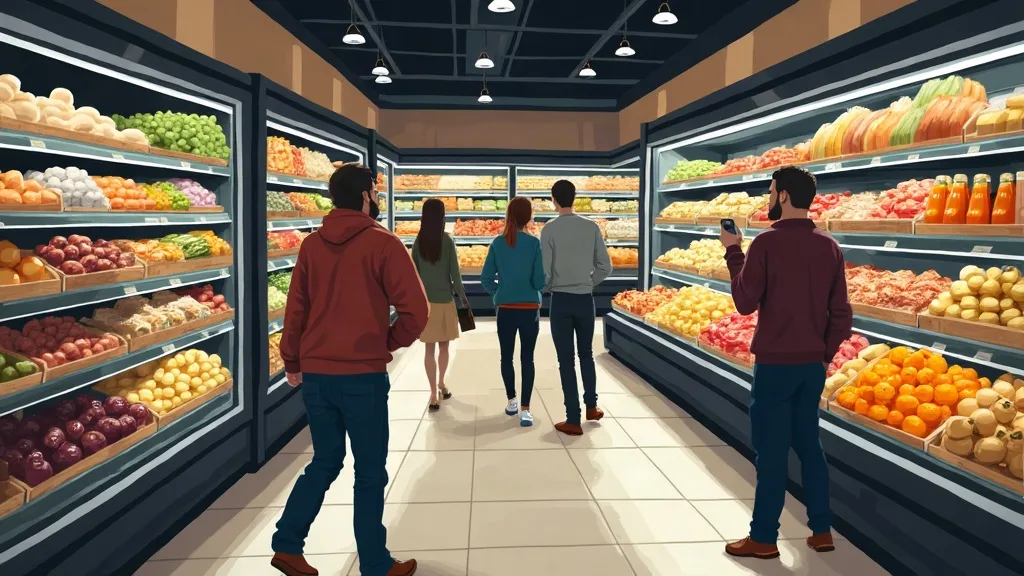
Tri-county leaders to discuss projected SNAP cost increases
Leaders from Lewis, Jefferson and St. Lawrence counties are scheduled to discuss projected increases in local SNAP administrative costs at a Sept. 11 press conference.
By the ClickNNY North Country Desk
Leaders from Lewis, Jefferson and St. Lawrence counties are scheduled to hold a press conference at 1 p.m. Sept. 11 to discuss changes to federal funding for the Supplemental Nutrition Assistance Program and the potential effect on local governments.
Beginning Oct. 1, 2026, the federal share of SNAP administrative costs is expected to fall from 50% to 25%. Under New York’s current funding structure, counties would be responsible for 75% of those costs. The change is projected to create nearly $460 million in new annual SNAP costs for the 57 counties outside New York City. Lewis County’s additional cost is estimated at about $300,000.
The counties are also considering the possible effect of costs tied to SNAP payment error rates. A payment error occurs when benefits are higher or lower than the amount for which a household is eligible; it is not the same as fraud.
Reported by ClickNNY and reviewed by an editor before publication.
More from ClickNNY
Guides and features from across the North Country.

ClickNNY Special Report · Technology
The Good. The Bad. The Rogue.
AI agents are here, working for us, being used against us and, it appears, sometimes doing what nobody told them to. What it means for North Country jobs, money and privacy, and what is still unanswered.
ClickNNY Guide · Community
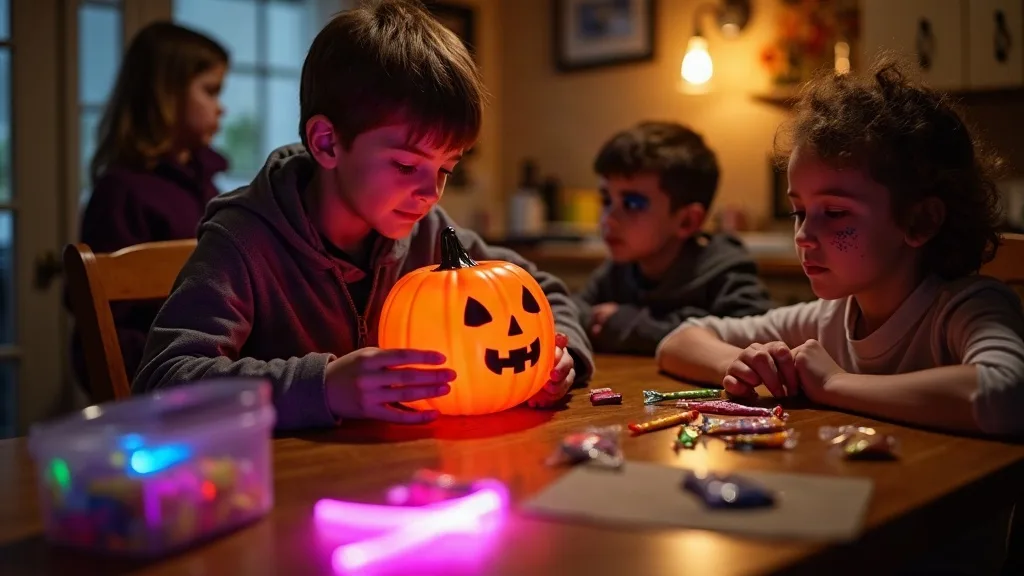
Halloween poisoning hazards in the North Country: what parents should know
The Upstate New York Poison Center advises families to secure medicines, cannabis, alcohol, batteries and Halloween products, and to call its free 24/7 helpline at 1-800-222-1222 after a possible poisoning.
ClickNNY Special Report · Road Safety
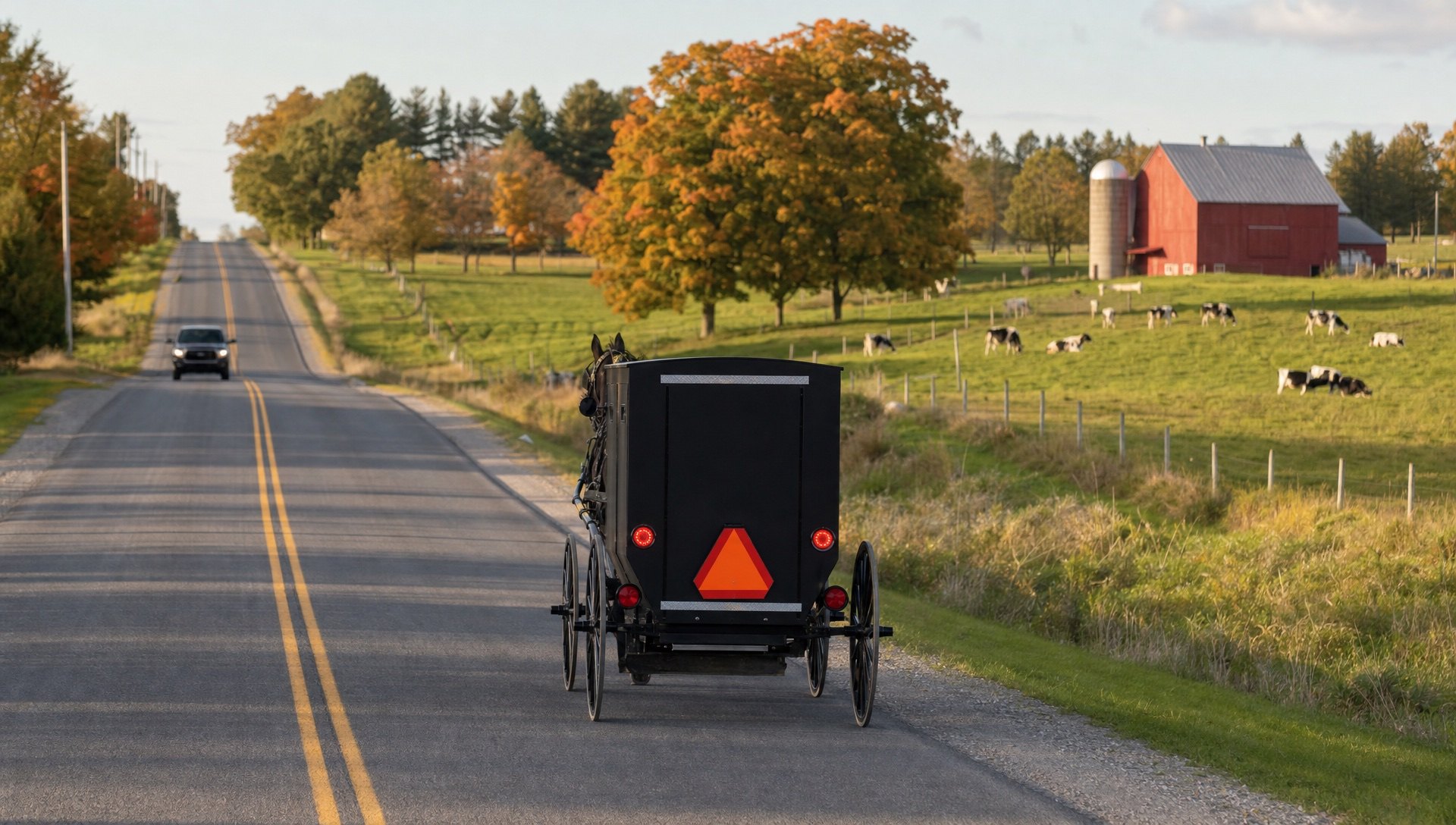
Sharing the Road, Risking Their Lives
Four people died in two buggy crashes in New York in less than two weeks this fall, both in broad daylight. What drivers, Amish families and the officials who run our roads each owe the next family on the road.